
AI Calling for Recruitment: Screen and Schedule Candidates at Scale
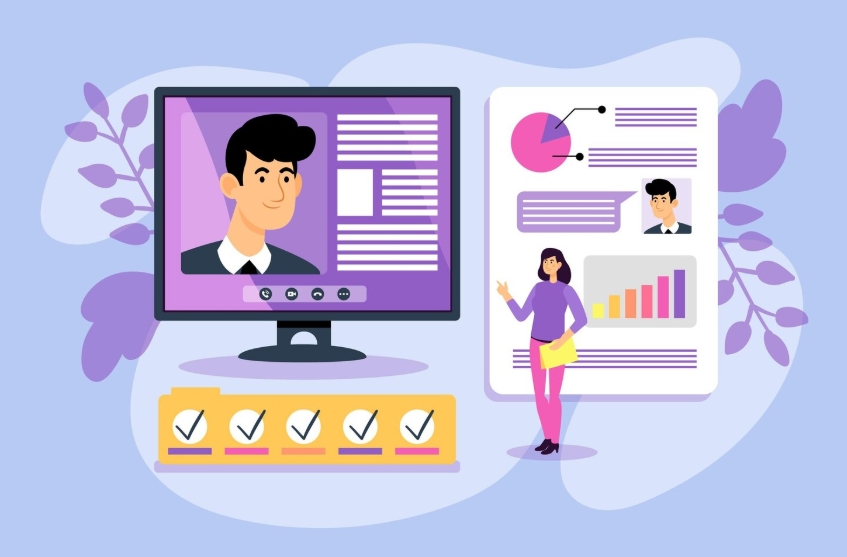
Recruitment teams today face a familiar challenge—more applications, fewer recruiters, and tighter hiring deadlines. A single job opening can attract hundreds or even thousands of candidates, making it nearly impossible for recruiters to personally call every applicant, verify their details, and schedule interviews within a short timeframe.
As hiring volumes continue to grow, manual phone screening has become one of the biggest bottlenecks in recruitment. Recruiters spend hours making repetitive calls, following up with candidates, confirming availability, and coordinating interview schedules. This administrative workload often delays hiring decisions and reduces recruiter productivity.
This is where AI calling recruitment is transforming modern talent acquisition. By automating candidate outreach, screening conversations, and interview scheduling, AI calling enables HR teams to focus on evaluating qualified candidates instead of repetitive administrative tasks.
What Is AI Calling in Recruitment?
AI calling recruitment uses artificial intelligence to conduct automated phone conversations with candidates during the hiring process.
Unlike traditional robocalls, AI calling solutions can interact with candidates naturally, ask predefined screening questions, understand responses, and guide applicants through the next steps.
Recruiters can automate tasks such as:
- Initial candidate screening
- Availability confirmation
- Interview scheduling
- Follow-up reminders
- Candidate qualification
- Application status updates
Instead of replacing recruiters, AI calling supports recruitment teams by handling repetitive communication at scale.
Why Traditional Candidate Calling Slows Hiring
Phone screening is essential, but it is also one of the most time-consuming recruitment activities.
Recruiters often spend hours:
- Calling candidates individually
- Leaving voicemail messages
- Waiting for callbacks
- Rescheduling interviews
- Updating recruitment systems
- Following up repeatedly
During high-volume hiring, these activities consume valuable time that could be spent interviewing and engaging top candidates.
How AI Calling Works
Modern AI calling platforms follow a structured workflow designed to automate repetitive communication while maintaining a positive candidate experience.
Step 1: Candidate Contact
The AI system automatically contacts candidates based on predefined recruitment workflows.
Candidates receive phone calls at appropriate times without requiring manual recruiter intervention.
Step 2: Automated Screening
During the call, AI asks predefined questions such as:
- Are you interested in the role?
- What is your current notice period?
- Are you available for relocation?
- What is your expected salary?
- Do you have experience with specific technologies?
Responses are recorded and organized for recruiter review.
Step 3: Candidate Qualification
Based on predefined hiring criteria, AI identifies candidates who meet the basic requirements.
Recruiters receive a prioritized list of qualified candidates instead of reviewing every application manually.
Step 4: Interview Scheduling
Qualified candidates can immediately select available interview slots during the conversation.
This eliminates multiple follow-up calls while reducing scheduling delays.
Futuremug’s AI Interview as a Service complements this workflow by automating structured interview rounds after candidate screening.
Benefits of AI Calling Recruitment
Reduce Time to Hire
One of the biggest advantages of AI calling recruitment is speed.
Instead of contacting candidates sequentially, AI can engage hundreds of applicants simultaneously, significantly reducing screening time.
Recruiters can move qualified candidates through the hiring pipeline much faster.
Improve Recruiter Productivity
AI handles repetitive communication, allowing recruiters to focus on:
- Candidate evaluation
- Final interviews
- Hiring decisions
- Employer branding
- Candidate relationship building
This improves productivity without increasing recruitment headcount.
Better Candidate Experience
Candidates appreciate timely communication.
AI calling provides:
- Faster responses
- Flexible scheduling
- Immediate interview confirmation
- Consistent communication
Reducing communication delays improves the overall recruitment experience.
Consistent Screening
Human recruiters may ask different questions depending on workload or interview style.
AI follows predefined screening workflows, ensuring every candidate receives the same questions and evaluation criteria.
This creates a more standardized hiring process.
AI Calling for High-Volume Recruitment
Organizations hiring at scale benefit the most from AI calling.
Common use cases include:
- Graduate hiring
- Campus recruitment
- Bulk hiring
- Walk-in recruitment
- Seasonal hiring
- Customer support recruitment
- Sales hiring
AI calling allows organizations to process thousands of applications without overwhelming recruitment teams.
Combining AI Calling with Assessments
Candidate screening becomes more effective when AI calling is integrated with skill assessments.
After completing an AI screening call, qualified candidates can automatically receive technical or aptitude assessments.
Futuremug’s Free Online Assessment Platform helps organizations evaluate candidate skills before interviews, enabling recruiters to focus only on the most suitable applicants.
AI Calling and Interview Automation
Once candidates are screened successfully, the next challenge is conducting interviews efficiently.
Organizations can combine AI calling with AI-powered interviews to automate the entire early hiring process.
Using Futuremug’s Agentic AI Interview as a Service, recruiters can conduct structured interviews after AI calling, creating a seamless recruitment workflow from screening to evaluation.
Is AI Calling Replacing Recruiters?
No.
AI calling automates repetitive communication—not strategic hiring decisions.
Recruiters remain responsible for:
- Final interviews
- Candidate evaluation
- Cultural fit assessment
- Offer discussions
- Hiring decisions
AI simply reduces administrative work so recruiters can spend more time engaging with qualified candidates.
Best Practices for AI Calling Recruitment
To maximize results:
- Define clear screening questions.
- Automate only repetitive communication.
- Keep conversations short and relevant.
- Integrate AI calling with assessments and interviews.
- Monitor candidate feedback regularly.
- Review screening workflows periodically.
When implemented thoughtfully, AI calling becomes a valuable extension of the recruitment team.
Conclusion
Hiring at scale requires more than increasing recruiter capacity—it requires smarter recruitment processes. AI calling recruitment helps organizations automate candidate outreach, qualification, and interview scheduling while maintaining consistent communication and improving recruiter productivity.
By reducing repetitive administrative work, AI calling allows HR teams to focus on building relationships, evaluating talent, and making faster hiring decisions. When combined with online assessments and AI interviews, it creates a modern recruitment workflow that is efficient, scalable, and candidate-friendly.
For organizations looking to reduce hiring time without compromising quality, AI calling is quickly becoming an essential recruitment technology.



Frequently Asked Questions
AI calling in recruitment uses artificial intelligence to automate candidate phone conversations for screening, qualification, follow-ups, and interview scheduling.
AI can contact and screen multiple candidates simultaneously, eliminating manual calling and accelerating interview scheduling.
No. AI handles repetitive communication while recruiters continue to evaluate candidates, conduct final interviews, and make hiring decisions.
It improves recruiter productivity, speeds up candidate screening, standardizes communication, enhances the candidate experience, and reduces time to hire.
Companies conducting high-volume hiring, campus recruitment, graduate recruitment, seasonal hiring, and large-scale talent acquisition benefit the most from AI calling solutions.