
Proctoring for Online Interviews and Assessments: A Complete Guide
Remote hiring has become the standard for many organizations and educational institutions. Companies now recruit talent across different cities and countries, while colleges conduct online assessments and placement interviews for hundreds of students every placement season. Although virtual recruitment offers flexibility and speed, it also introduces a critical challenge—maintaining the integrity of online interviews and assessments.
Without proper monitoring, recruiters may struggle to verify candidate identity, prevent unauthorized assistance, or ensure fair evaluations. This is where online proctoring plays an essential role.
Online proctoring combines artificial intelligence, identity verification, and real-time monitoring to create a secure environment for online assessments and interviews. It helps HR leaders, Training and Placement Officers (TPOs), and recruiters evaluate candidates fairly while protecting the credibility of the hiring process.
What Is Online Proctoring?
Online proctoring is a technology-driven process that monitors candidates during online assessments or interviews to ensure they follow predefined examination or interview rules.
Instead of relying on physical supervision, online proctoring uses AI and automated monitoring to detect suspicious behavior while candidates complete assessments remotely.
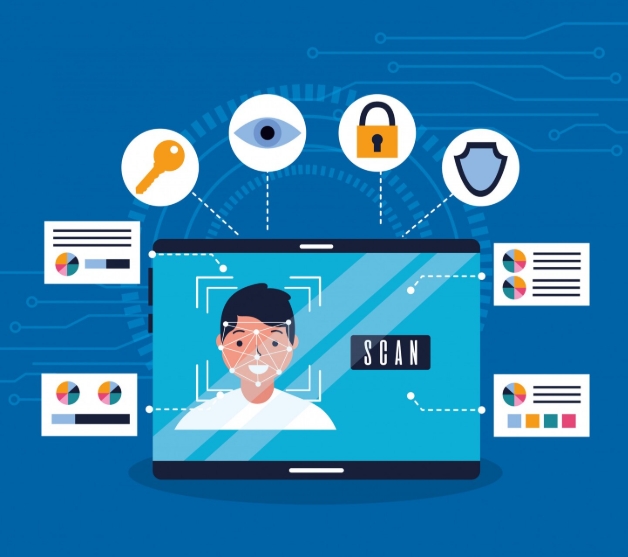
Depending on the platform, online proctoring may include:
- Identity verification
- Face detection
- Webcam monitoring
- Browser activity monitoring
- Multiple face detection
- Tab-switch detection
- Screen activity monitoring
- Audio monitoring
- Suspicious activity alerts
These features help organizations conduct remote hiring with greater confidence.
Why Online Proctoring Is Important
As remote recruitment grows, maintaining trust becomes increasingly important.
Without effective monitoring, organizations may encounter issues such as:
- Candidate impersonation
- External assistance during assessments
- Multiple people participating in interviews
- Unauthorized browser usage
- Question leakage
- Inaccurate skill evaluation
These issues can result in poor hiring decisions and reduce confidence in remote recruitment.
Online proctoring helps minimize these risks while ensuring every candidate is evaluated under consistent conditions.
How Online Proctoring Works
Modern online proctoring platforms combine multiple technologies to monitor candidate activity throughout an assessment or interview.
Identity Verification
Before the assessment begins, candidates verify their identity using methods such as:
- Government-issued ID verification
- Face verification
- Selfie matching
- OTP verification
This ensures the registered candidate is the individual taking the assessment.
AI-Based Monitoring
Once the assessment starts, AI continuously monitors candidate activity.
Common monitoring capabilities include:
- Face detection
- Multiple person detection
- Head movement tracking
- Camera interruption alerts
- Microphone monitoring
If suspicious behavior occurs, the system records the event for recruiter review.
Browser Monitoring
Online proctoring platforms can detect behaviors that may indicate attempts to access unauthorized information.
Examples include:
- Tab switching
- Browser minimization
- Copy and paste attempts
- Multiple screen usage
- Unauthorized applications
Recruiters receive reports highlighting these events after the assessment.
Activity Reports
Instead of watching every assessment manually, recruiters receive summarized reports showing:
- Candidate identity verification
- Proctoring alerts
- Assessment completion status
- Suspicious activity timeline
- Overall integrity score
These reports make review faster while improving transparency.
Benefits of Online Proctoring
Fair Candidate Evaluation
Every candidate completes assessments under similar monitoring conditions.
This improves fairness by reducing opportunities for unfair advantages.
Better Hiring Decisions
Organizations gain greater confidence that assessment results accurately reflect candidate skills.
This leads to better recruitment decisions and stronger hiring outcomes.
Scalable Remote Recruitment
Whether evaluating 100 or 10,000 candidates, online proctoring enables secure assessments without requiring physical examination centers.
This makes remote hiring significantly more scalable.
Reduced Manual Monitoring
AI automatically monitors candidate activity, allowing recruiters to review only flagged events rather than observing every assessment in real time.
This saves considerable administrative effort.
Online Proctoring for Campus Placements
Educational institutions increasingly use online proctoring to conduct placement assessments and interviews fairly.
Benefits for colleges include:
- Secure online assessments
- Fair evaluation of students
- Reduced examination malpractice
- Improved recruiter confidence
- Standardized placement processes
Futuremug’s Free Online Assessment Platform includes secure online assessments that help colleges evaluate students efficiently while maintaining assessment integrity.
Online Proctoring for Recruitment
For employers, online proctoring strengthens every stage of remote hiring.
Recruitment teams can confidently conduct:
- Technical assessments
- Aptitude tests
- Coding evaluations
- Graduate hiring
- Campus recruitment
- Remote interviews
This reduces recruitment risks while supporting high-volume hiring.
Combining Online Proctoring with AI Interviews
Many organizations now combine online proctoring with AI-powered interviews to create a secure and efficient hiring workflow.
After candidates complete a proctored assessment, they can proceed directly to structured AI interviews.
Futuremug’s AI Interview as a Service enables organizations to automate interview rounds while maintaining consistency across candidate evaluations.
Common Myths About Online Proctoring
“Online Proctoring Invades Privacy”
Modern proctoring platforms monitor only the information necessary to maintain assessment integrity and should operate according to applicable privacy policies and regulations.
“AI Makes Hiring Decisions”
AI proctoring identifies potential irregularities and generates reports. Human recruiters review the findings and make the final hiring decisions.
“Online Proctoring Is Only for Exams”
While widely used in education, online proctoring is also valuable for recruitment, technical interviews, coding assessments, certification programs, and campus hiring.
Best Practices for Using Online Proctoring
To maximize effectiveness:
- Inform candidates about the proctoring process before the assessment.
- Verify candidate identity before starting.
- Use AI monitoring alongside human review for flagged incidents.
- Apply consistent proctoring standards to all candidates.
- Review integrity reports before making hiring decisions.
- Combine proctoring with structured assessments and interviews.
These practices help create a fair, transparent, and reliable evaluation process.
Conclusion
As remote recruitment and online assessments become increasingly common, maintaining fairness and credibility is more important than ever. Online proctoring provides organizations and educational institutions with the tools needed to verify candidate identity, detect suspicious activity, and conduct secure evaluations at scale.
Rather than replacing recruiters or placement teams, online proctoring strengthens the hiring process by protecting assessment integrity and improving confidence in recruitment decisions.
When integrated with structured assessments and AI-powered interviews, online proctoring helps build a secure, efficient, and trustworthy recruitment experience for employers, colleges, and candidates alike.



Frequently Asked Questions
Online proctoring is a technology-based system that monitors candidates during online assessments or interviews using AI, identity verification, and activity monitoring to maintain evaluation integrity.
It helps prevent impersonation, unauthorized assistance, and other forms of assessment misconduct while improving confidence in hiring decisions.
Yes. Colleges use online proctoring to conduct secure assessments and placement evaluations, ensuring fairness for all students.
No. Online proctoring monitors assessments and generates reports, while recruiters review the results and make the final hiring decisions.
A good platform should provide identity verification, face detection, webcam monitoring, browser activity tracking, tab-switch detection, suspicious activity alerts, and detailed integrity reports.