
What Is an AI Interview? Why More Candidates Prefer AI Interviews in 2026
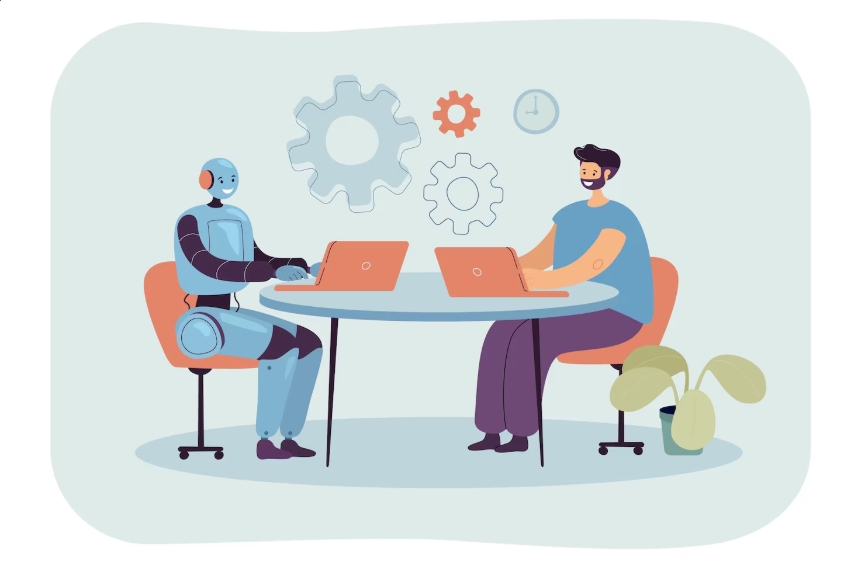
It’s one of the most common questions candidates ask as artificial intelligence becomes a larger part of modern hiring.
For some job seekers, the idea sounds intimidating.
Will AI replace recruiters?
Will candidates be judged by algorithms?
Will human interaction disappear from hiring?
The reality is far less dramatic.
Modern AI interviews are designed to improve candidate experiences, reduce hiring delays, and create more consistent evaluations.
In many cases, candidates report preferring AI-powered interviews because they eliminate several frustrations commonly associated with traditional hiring.
Understanding what an AI interview actually looks like helps separate myths from reality.
What Is an AI Interview?
An AI interview is a structured hiring interaction where artificial intelligence assists or conducts parts of the candidate evaluation process.
Depending on the platform, AI can help with:
- Candidate screening
- Interview conversations
- Technical assessments
- Skill validation
- Response analysis
- Interview scoring
Modern AI interview systems are significantly more advanced than earlier chatbot-based solutions.
Instead of following rigid scripts, many platforms now use conversational AI capable of adapting questions based on candidate responses.
Core Components of an AI Interview
| Component | Purpose |
| Conversational AI | Candidate interaction |
| Assessment Engine | Skill evaluation |
| Scoring Framework | Standardized assessment |
| Interview Analytics | Performance insights |
| Candidate Reporting | Hiring recommendations |
The goal is not to replace human hiring decisions.
The goal is to improve the quality and consistency of candidate evaluation.
Why Companies Are Using AI Interviews
Recruitment teams face increasing pressure to hire faster while maintaining quality.
Traditional hiring processes often struggle with:
- High application volumes
- Interview scheduling delays
- Inconsistent evaluations
- Interviewer fatigue
- Hiring bottlenecks
AI interviews help organizations manage these challenges more effectively.
Recruitment Challenges AI Interviews Address
| Challenge | AI Interview Benefit |
| Large applicant pools | Faster screening |
| Interview delays | Immediate availability |
| Evaluation inconsistency | Standardized assessments |
| Limited interviewer capacity | Scalable hiring |
| Administrative workload | Automation |
As hiring volumes continue growing, organizations are looking for scalable ways to evaluate candidates fairly and efficiently.
What an AI Interview Actually Looks Like
One of the biggest misconceptions is that AI interviews feel robotic.
Modern agentic AI interview systems are designed to create conversational experiences that resemble structured human interviews.
A typical AI interview may include:
Step 1: Candidate Introduction
The AI explains:
- The interview process
- Assessment objectives
- Estimated duration
- Evaluation criteria
This transparency helps reduce candidate anxiety.
Step 2: Dynamic Questioning
Unlike older chatbots, modern AI interviewers adapt questions based on candidate responses.
For example:
If a software engineer demonstrates strong backend knowledge, the AI may explore architecture and scalability topics.
If a candidate struggles with a question, the AI may adjust difficulty levels or explore related skills.
Step 3: Real-Time Assessment
The AI evaluates:
- Technical knowledge
- Problem-solving ability
- Communication skills
- Role-specific competencies
Step 4: Candidate Completion
After the interview, performance data is processed and prepared for recruiter review.
Typical AI Interview Experience
| Stage | Candidate Experience |
| Introduction | Clear expectations |
| Questioning | Interactive conversation |
| Assessment | Structured evaluation |
| Completion | Faster processing |
| Review | Human-supported decision making |
The process often feels more organized and predictable than traditional interviews.
Common Candidate Concerns About AI Interviews
Despite growing adoption, some candidates remain skeptical.
Common concerns include:
- Lack of human interaction
- Algorithmic bias
- Privacy questions
- Fairness concerns
- Fear of automated rejection
These concerns are understandable.
However, many modern AI interview platforms are designed specifically to address these issues.
Candidate Concerns vs Reality
| Concern | Reality |
| AI cannot understand context | Modern systems analyze conversation flow |
| AI interviews are unfair | Structured scoring improves consistency |
| Humans are removed from hiring | Human oversight remains critical |
| AI creates bias | Standardized evaluations can reduce bias |
| Candidates receive no feedback | Many systems provide detailed insights |
Transparency plays a major role in building trust.
Why Candidates Often Prefer AI Interviews
Surprisingly, many candidates report positive experiences with AI interviews.
The reason is simple.
AI removes several frustrations associated with traditional hiring.
Benefits Candidates Frequently Mention
- Faster interview scheduling
- No interviewer distractions
- Consistent questioning
- Reduced unconscious bias
- Faster hiring decisions
- Greater scheduling flexibility
Traditional Interviews vs AI Interviews
| Traditional Interviews | AI Interviews |
| Interviewer variability | Consistent evaluation |
| Scheduling delays | Immediate availability |
| Subjective questioning | Structured process |
| Limited scalability | High scalability |
| Variable feedback quality | Standardized reporting |
For candidates who value fairness and speed, AI interviews can feel more predictable and transparent.
The Rise of Agentic AI Interviews
Agentic AI interviews represent the next evolution of hiring technology.
Unlike earlier automation tools, agentic AI systems can:
- Adapt questions dynamically
- Conduct multi-step evaluations
- Analyze contextual responses
- Assess multiple competencies simultaneously
- Guide conversations independently
Agentic AI Capabilities
| Capability | Hiring Advantage |
| Dynamic questioning | Better assessment depth |
| Contextual reasoning | More relevant evaluations |
| Multi-skill analysis | Holistic candidate review |
| Continuous adaptation | Personalized interview experience |
| Autonomous workflows | Faster hiring operations |
These capabilities create interview experiences that feel significantly more natural than traditional scripted assessments.
How Futuremug Uses AI Interviews
Futuremug combines agentic AI interviews with structured evaluation frameworks to improve hiring efficiency and candidate experience.
Rather than relying solely on automation, Futuremug uses AI to support scalable and consistent candidate assessments.
Futuremug AI interview solutions help organizations:
- Screen candidates faster
- Reduce hiring bottlenecks
- Standardize evaluations
- Improve candidate experiences
- Scale recruitment operations
Futuremug AI Interview Advantages
| Capability | Benefit |
| Agentic AI interviews | Adaptive candidate evaluation |
| Structured assessment models | Consistent scoring |
| Automated workflows | Faster hiring |
| Scalable infrastructure | High-volume recruitment |
| Detailed reporting | Better hiring decisions |
The objective is not simply automation.
The objective is smarter hiring.
Benefits of AI Interviews for Candidates and Employers
The strongest AI interview platforms create advantages for both sides of the hiring process.
Candidate Benefits
- Flexible interview timing
- Faster responses
- Consistent experience
- Reduced waiting periods
- Transparent evaluation
Employer Benefits
- Faster hiring cycles
- Improved scalability
- Standardized assessments
- Reduced interviewer fatigue
- Better hiring efficiency
AI Interview Impact
| Stakeholder | Primary Benefit |
| Candidates | Better experience |
| Recruiters | Increased efficiency |
| Hiring managers | Improved evaluation quality |
| Organizations | Faster hiring outcomes |
As adoption increases, AI interviews are becoming a standard component of modern recruitment infrastructure.
Conclusion
What is an AI interview?
It’s no longer a futuristic concept.
AI interviews are rapidly becoming a practical solution to many of the hiring challenges organizations and candidates face today.
By improving consistency, reducing delays, and creating more structured evaluation experiences, AI interviews are helping companies hire more effectively while giving candidates a smoother recruitment journey.
As agentic AI continues to evolve, the most successful hiring strategies will combine intelligent automation with thoughtful human oversight.
Futuremug is helping organizations make that transition by delivering AI-powered interview experiences designed for modern recruitment at scale.