
The Psychology of AI Interviews: Do Candidates Trust AI Interviewers in 2026?
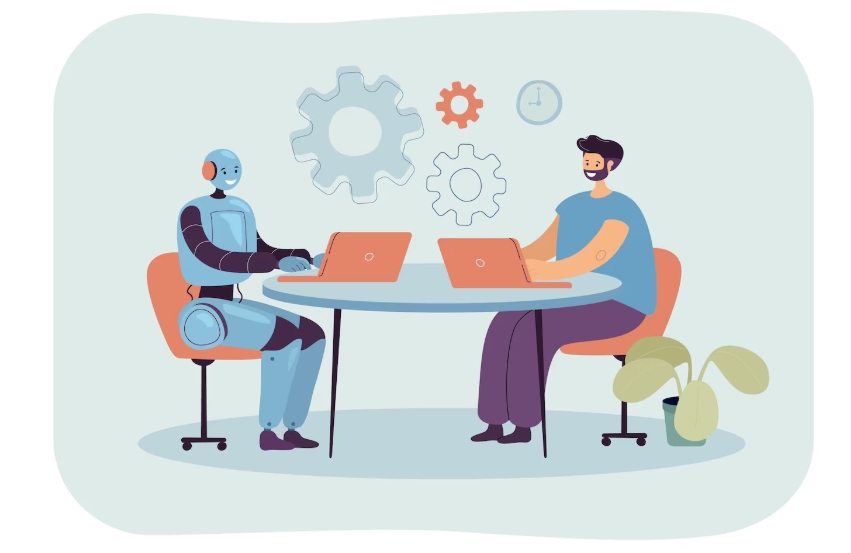
Do candidates trust AI interviewers?
That question has become increasingly important as AI-powered interview platforms expand across recruitment, campus hiring, technical assessments, and enterprise talent acquisition.
In 2026, organizations are using automated interview systems to reduce hiring delays, improve evaluation consistency, and scale recruitment operations globally. However, while companies focus heavily on efficiency and automation, candidate psychology remains one of the most critical factors influencing AI interview adoption.
Many applicants still feel uncertain about speaking with AI interviewers instead of human recruiters.
Some candidates view AI interviews as efficient and unbiased. Others worry about fairness, emotional disconnect, surveillance, or being misunderstood by automated systems.
Understanding the psychology of automated interviews is now essential for building trustworthy AI-powered hiring systems.
The Rise of AI Interviews in Recruitment
AI-powered interview platforms have rapidly transformed hiring workflows over the past few years.
Modern AI interview systems can now:
- Conduct conversational interviews
- Analyze communication patterns
- Evaluate technical responses
- Score candidate performance
- Automate interview scheduling
- Generate structured hiring insights
Companies increasingly rely on AI recruitment systems to handle:
- Bulk hiring
- Campus recruitment
- Initial screening interviews
- Technical assessment workflows
- Global hiring operations
This shift has accelerated because organizations need scalable recruitment infrastructure capable of processing thousands of applicants efficiently.
Why Companies Are Adopting AI Interview Platforms
| Recruitment Challenge | AI Interview Solution |
| High application volume | Automated screening |
| Slow recruiter workflows | Faster candidate evaluation |
| Interview inconsistency | Structured assessments |
| Hiring bias concerns | Standardized scoring |
| Global recruitment scaling | 24/7 interview automation |
Despite these advantages, candidate trust remains a major adoption challenge.
Why Candidates Distrust AI Interviewers
Candidate concerns about AI hiring are often psychological rather than technical.
Many applicants fear that automated interview systems cannot properly understand human nuance, emotional intelligence, creativity, or real-world experience.
Others worry that AI systems may incorrectly reject qualified candidates due to algorithmic limitations.
Common Candidate Concerns About AI Interviewers
| Candidate Concern | Psychological Impact |
| Fear of unfair rejection | Increased interview anxiety |
| Lack of human interaction | Emotional disconnect |
| Algorithmic bias concerns | Reduced trust |
| Data privacy uncertainty | Candidate hesitation |
| Automated scoring opacity | Perceived unfairness |
Candidates also tend to trust systems less when they do not understand how evaluation decisions are made.
This phenomenon is known as “algorithmic opacity,” where users feel uncomfortable because decision-making processes appear invisible or difficult to interpret.
The Psychology Behind AI Interview Anxiety
The psychology of automated interviews is closely connected to perceived control, emotional validation, and social interaction expectations.
Traditional interviews allow candidates to build rapport with recruiters through body language, empathy, conversational flexibility, and emotional feedback.
AI interviewers change this dynamic entirely.
When candidates interact with automated systems, many experience:
- Reduced emotional reassurance
- Higher self-monitoring behavior
- Increased communication pressure
- Fear of robotic misinterpretation
- Lower perceived flexibility
Research in behavioral psychology also suggests that people trust systems more when they believe human oversight still exists somewhere in the process.
This is why fully autonomous hiring systems often create more candidate resistance than hybrid AI-human recruitment models.
Psychological Drivers of Candidate Trust
| Trust Factor | Candidate Response |
| Transparency | Increased confidence |
| Human oversight | Reduced anxiety |
| Clear evaluation criteria | Higher fairness perception |
| Consistent interview experience | Better comfort level |
| Faster feedback | Greater satisfaction |
What Research Says About Candidate Trust
Research-backed studies on candidate perception of AI interviews show mixed responses depending on industry, age group, and hiring context.
Technical candidates often appreciate the efficiency and structured nature of AI-powered interviews. However, executive-level professionals and senior leadership candidates typically prefer human interaction during early recruitment stages.
Several 2026 hiring studies indicate that candidate trust increases significantly when organizations clearly explain:
- How AI interviews work
- What data is being analyzed
- Whether humans review decisions
- How candidate privacy is protected
- How scoring systems remain fair
Transparency directly influences trust perception.
Research Trends in AI Interview Trust
| Research Insight | Candidate Behavior |
| Transparent AI systems | Higher trust levels |
| Human-reviewed AI decisions | Better candidate acceptance |
| Faster interview feedback | Improved candidate experience |
| Structured evaluation models | Greater fairness perception |
| Hybrid AI-human hiring | Lower resistance to automation |
Candidates are far more likely to trust AI interviewers when automation feels assistive rather than controlling.
How Futuremug Builds Trust in AI Interviews
Futuremug approaches AI interview design using a human-centered recruitment philosophy focused on transparency, consistency, and ethical evaluation practices.
Instead of replacing human judgment entirely, Futuremug combines AI-powered interview automation with structured human oversight to create a more trustworthy candidate experience.
Futuremug Trust-Building Design Principles
| Design Principle | Candidate Benefit |
| Transparent interview workflows | Reduced uncertainty |
| Structured scoring systems | Fairer evaluations |
| Human-reviewed assessments | Increased confidence |
| Faster response cycles | Better candidate experience |
| Bias-controlled evaluation models | More objective hiring |
Futuremug also prioritizes candidate clarity by ensuring applicants understand:
- Why questions are being asked
- How interviews are evaluated
- What skills are being measured
- When human reviewers are involved
This significantly reduces candidate anxiety during AI-powered interviews.
👉 Explore Futuremug AI Hiring Solutions: https://futuremug.com
Transparency and Structured Evaluation Design
One of the biggest trust challenges in AI recruitment is perceived unfairness.
Futuremug addresses this problem using structured interview frameworks designed to minimize ambiguity.
Instead of relying on hidden scoring systems, Futuremug’s AI interview infrastructure focuses on:
- Role-specific evaluation rubrics
- Standardized candidate scoring
- Consistent question structures
- Explainable hiring workflows
- Human validation checkpoints
This creates a more ethical AI recruitment system where candidates feel evaluations are measurable, understandable, and objective.
Structured AI Hiring Framework
| Evaluation Component | Trust Benefit |
| Standardized interview flow | Consistent experience |
| Transparent scoring logic | Reduced confusion |
| Human review checkpoints | Better credibility |
| Role-based assessments | Higher relevance |
| Bias-monitoring systems | Fairer hiring outcomes |
Human + AI Hybrid Interview Models
The future of AI interview outsourcing will likely depend on hybrid hiring systems rather than fully autonomous recruitment.
Hybrid models combine:
- AI-powered screening automation
- Human recruiter oversight
- Structured technical assessments
- Behavioral evaluation frameworks
- Candidate relationship management
This balance allows organizations to scale hiring operations efficiently while preserving human empathy and contextual judgment.
Hybrid AI Interview Benefits
| AI Capability | Human Capability |
| Speed and scalability | Emotional intelligence |
| Structured evaluations | Contextual understanding |
| Bias reduction | Relationship building |
| Data analysis | Strategic decision-making |
| Automation efficiency | Candidate reassurance |
This hybrid structure significantly improves candidate trust in AI-powered hiring systems.
Future Trends in AI Candidate Experience
The future of AI interview trust will depend heavily on ethical design, transparency, and personalization.
Emerging AI recruitment systems are expected to introduce:
- Emotion-aware interview systems
- Adaptive communication styles
- Explainable AI scoring models
- Personalized candidate feedback loops
- Multilingual AI interview support
- Human-in-the-loop decision systems
Organizations that prioritize candidate psychology alongside automation efficiency will build stronger employer trust and hiring engagement.
AI recruitment technology alone is not enough. Candidate perception ultimately determines adoption success.
Conclusion
Do candidates trust AI interviewers?
Increasingly, yes — but only when organizations build AI interview systems around transparency, fairness, human oversight, and ethical evaluation principles.
The psychology of AI interviews shows that candidates are willing to embrace automation when they feel respected, informed, and fairly evaluated throughout the hiring process.
Futuremug’s trust-centered AI interview design demonstrates how recruitment automation can improve efficiency without sacrificing candidate confidence or hiring integrity.
The future of recruitment will belong to organizations capable of balancing intelligent automation with human-centered hiring experiences.